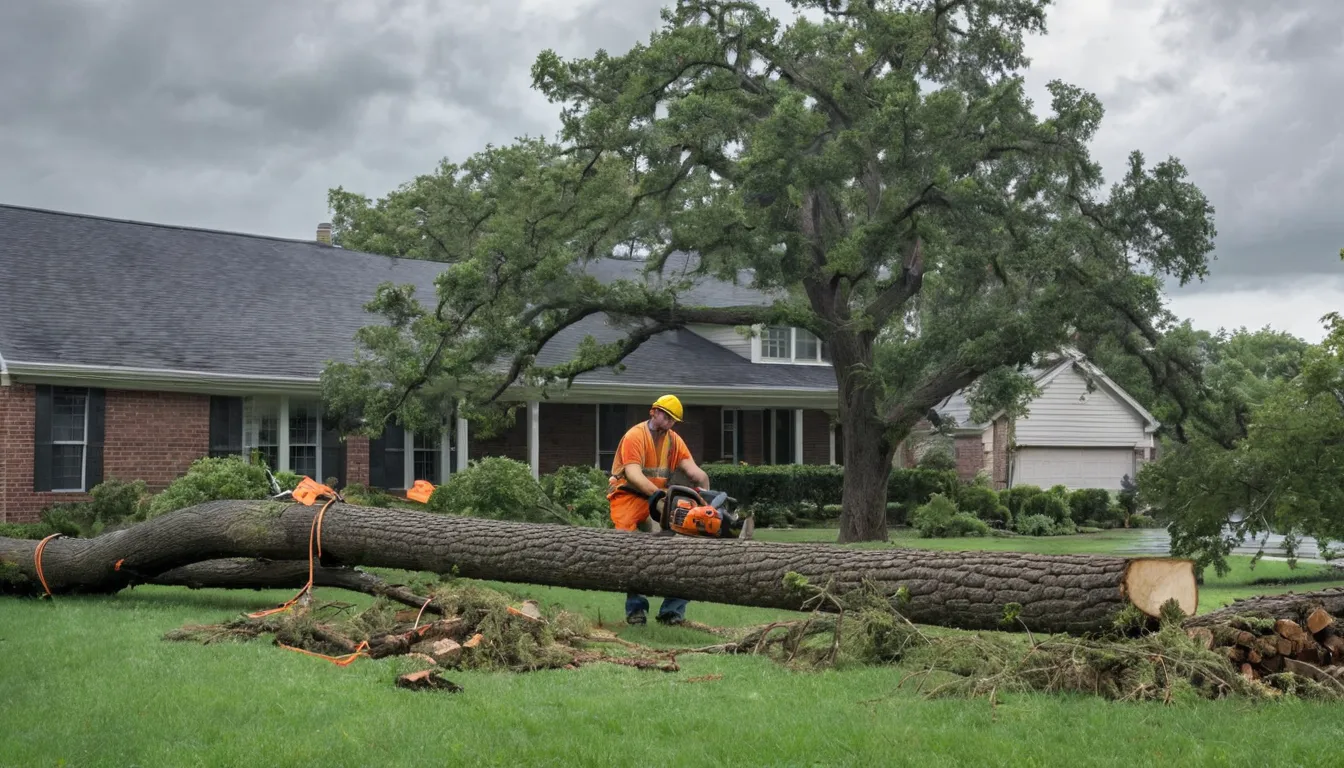
Emergency Tree Removal Services for Storm Damage
A lot of people think an emergency tree job means waiting for a crew to show up and just hoping things work out. In practice, you can do a lot to help things move along. Stay clear of the tree, take a few photos, and write down what you see. That makes the first conversation with a provider much easier.
Presentsinterpretation Tree Service is a referral service. We do not cut or haul anything. We connect homeowners in the Chattanooga area with independent providers in our network who handle emergency tree removal, storm tree clearance, and cleanup. Availability depends on the provider and the weather, so Request a callback to check provider availability. This page covers the myths, the questions worth asking, and the warning signs to skip.
Tree Down? Do These Things First
A lot of people think the first move is to grab a saw. In practice, the first move is to step back. A fallen tree can hold hidden tension. Branches can snap or shift with no warning.
- Keep everyone away from the tree, the roof, and any hanging limbs.
- Treat every sagging wire as live, and stay far back.
- If someone is hurt or a wire is down, contact local emergency services.
- Take photos from a safe spot, then go inside.
Once everyone is safe, Request a callback to check provider availability.
Myth: Only a Tree on the House Counts
Not quite. A tree does not have to hit a roof to be urgent. Providers often treat these as true emergencies, because the risk grows if you wait.
What Counts as an Urgent Tree Problem
Here are the situations that usually move to the front of the line:
- A tree or large limb resting on a roof, porch, or siding.
- A trunk blocking a driveway or street, with cars stuck behind it.
- A tree leaning more than it did yesterday, especially in soaked soil.
- A split trunk or a heavy limb hanging over a walkway or bedroom.
- Branches tangled in power or phone lines.
What Can Wait a Few Days
A tree that fell across an open lawn, far from the house, is usually less urgent. Providers sort jobs by risk. If yours can wait, a calm, planned visit often goes better than a rushed one.
How Storm Tree Clearance Works
Most jobs follow the same path. The provider looks over the scene and checks for wires, weight, and hidden damage. Then they decide how to cut. Small pieces come down by hand. Heavy trunks over a roof may need a crane or rigging.
Once the tree is secure, the crew cuts it into sections and clears the debris. Some providers also offer a tree falling service for a tree that is leaning and could fail next. Ask what is included before the work starts.
Myth: Any Truck With a Chainsaw Will Do
After a big storm, extra trucks show up and knock on doors. Some are fine. Some are not. A saw alone does not mean the person has the right gear, training, or coverage. Ask before you book.
Questions to Ask Before You Book
Keep these on your phone. They take two minutes.
- Are you insured for tree work? A good answer is yes, and they can share proof of it.
- Who is on the job? A good answer names the crew size and says who does the cutting.
- What does the price include? A good answer covers cutting, hauling, and cleanup in writing.
- How will you protect the roof and yard? A good answer mentions ropes, boards, or a crane.
- Is stump grinding part of this quote? A good answer lists it as a separate line.
Red Flags to Skip
Walk away if you hear any of these:
- Pressure to pay the full amount up front.
- No written quote, only a number said out loud.
- A flat refusal to talk about insurance.
- A knock at your door with no name or details.
- Advice to "top" a healthy tree to save time.
Photos First, Estimate Next
Good notes make estimates smoother. Snap the whole tree, the damage up close, and anything it is touching. Add a wide shot of the street and driveway. Write down the time you found it and what you saw.
These records help the provider plan the right equipment. They also help later if you talk with your insurer.
Working With Your Insurance
Many people think insurance never helps with trees. Others think it always does. The truth sits in between. Some policies may cover sudden damage, such as a tree that falls on a house. Coverage depends on your plan, so check your policy.
Providers can often help document damage for a claim. Ask for an itemized invoice and keep your photos. Your insurer makes the final call.
Stump Grinding After the Cleanup
The stump is not the emergency. Once the danger is gone, you can plan stump grinding on its own schedule. Ask for it as a separate line item, so you can compare it fairly.
After a Big Storm: What to Expect
Hot, humid summers bring fast thunderstorms. Ice storms and the remains of tropical systems can follow. When many trees fall at once, providers get busy. Waits can happen, and some jobs get sorted by risk.
Older mill-era homes often have large mature trees close to the walls. Newer subdivisions may have young trees with shallow roots. Either way, check crawl spaces, slabs, brick, and vinyl siding for damage once the tree is gone.
Preventing the Next Storm Problem
Many people think a healthy-looking tree is a safe one. Not always. Dead branches, mushrooms at the base, and cracks in the trunk are warning signs. Soil that stays soggy can loosen roots.
Ask a provider to look over big trees near the house before storm season. A short visit can catch a problem while it is still a planned job.
What's Included
Fallen Tree Removal
Providers cut and haul trees that have come down across yards, roofs, and driveways.
Storm Tree Clearance
Broken limbs and blocked paths get cleared so you can use your property again safely.
Hanging Limb Work
Heavy, cracked branches over a house or walkway can be taken down before they drop.
Debris Cleanup
Many providers haul away logs and brush, or grind the stump as a separate job.
Typical Emergency Tree Cost Ranges
Prices vary by tree size, access, and risk. These are typical U.S. ranges for emergency jobs. Always get a written quote that lists exactly what is included.
| Item | Typical range | Notes |
|---|---|---|
| Storm limb removal | $300 – $1,000 | Depends on size and height |
| Small tree down in yard | $500 – $1,500 | Easy access keeps cost down |
| Large tree removal | $1,000 – $3,500 | Height and trunk width matter |
| Tree on roof or house | $2,000 – $10,000 | May need a crane and rigging |
| Driveway or road clearing | $300 – $1,200 | Priced by the amount of material |
| Stump grinding | $150 – $600 | Often quoted as its own line |
How It Works
Stay Safe
Keep clear of the tree, the roof, and any wires, then take photos from a safe spot.
Reach Out
Request a callback or send the request form to check provider availability.
Review the Quote
Compare the written scope, price, and insurance details before you agree.
Provider Clears the Tree
The provider cuts, hauls, and cleans up as agreed.
Why Call Presentsinterpretation Tree Service
Clear Answers Before Work
Providers in our network can explain the plan, the price, and what is included.
Safety Comes First
Jobs near roofs and wires need proper gear and training.
Local Providers
Independent businesses nearby know the trees and storms in your area.
Simple Start
Share a few photos, and the provider can plan the right job.
Other Services
Need emergency tree removal services in Chattanooga?
Have a tree that worries you? Request a callback or send a request, and a local provider in our network can follow up about your estimate.
No obligationEmergency Tree Removal Services FAQ
What counts as an emergency tree removal?
A tree on a house, a trunk blocking a driveway, a tree leaning after a storm, or limbs near power lines are usually urgent. If anyone is in danger, contact local emergency services first.
Does homeowners insurance cover a fallen tree?
It depends on your policy. Some policies may cover sudden damage, such as a tree falling on your house. Check your policy and talk to your insurer. Providers can often help document the damage with photos and invoices.
How quickly can a provider come out after a storm?
Many providers can respond quickly, but timing depends on the weather, how many homes are affected, and how urgent your job is. Request a callback to check provider availability, and share photos so the provider can plan the right equipment.
Reach a local provider
Have a tree that worries you? Request a callback or send a request, and a local provider in our network can follow up about your estimate.
No obligation